Healthcare marketing is entering a new era. For years, businesses relied heavily on third-party cookies, tracking pixels, and external datasets to understand consumer behavior. However, increasing privacy regulations, browser restrictions, and changing customer expectations have dramatically reduced the effectiveness of these methods.
Today, consumers want personalized healthcare experiences—but they also expect transparency and control over their personal information.
This shift has led to the rise of first-party and zero-party data, particularly in the healthcare industry. Instead of tracking users across the web, modern health brands are collecting consent-based biometric and wellness information directly from consumers. Platforms like 37CELLS enable organizations to transform this valuable health data into personalized experiences while respecting user privacy.
The future of healthcare personalization isn’t built on cookies—it’s built on trust.
Why Third-Party Data Is Losing Its Value
Third-party data refers to information collected by organizations that have no direct relationship with the customer. It has traditionally powered digital advertising, audience targeting, and customer profiling.
However, several factors have accelerated its decline.
Growing Privacy Regulations
Governments worldwide are strengthening privacy laws to protect consumer information, including:
- GDPR (Europe)
- HIPAA compliance requirements for healthcare
- CCPA (California)
- India’s Digital Personal Data Protection (DPDP) Act
These regulations require organizations to obtain clear user consent before collecting and processing personal information.
Browser Restrictions
Modern browsers are limiting or eliminating third-party cookies altogether.
Major browsers have introduced:
- Cookie blocking
- Tracking prevention
- Limited cross-site tracking
- Enhanced privacy controls
As a result, marketers are losing visibility into customer behavior.
Statistics That Show the Shift
The move away from third-party tracking is accelerating.
- Over 80% of consumers say they are concerned about how companies use their personal data.
- Nearly 70% of customers are more likely to trust brands that clearly explain how their information is collected and used.
- Studies show that personalized experiences can increase customer engagement by over 70% when users willingly share relevant information.
- Privacy-first marketing strategies continue to deliver stronger long-term customer loyalty compared to traditional tracking-based campaigns.
These trends demonstrate that trust is becoming more valuable than anonymous tracking.
Understanding First-Party and Zero-Party Data
Before discussing healthcare applications, it’s important to distinguish these two valuable data sources.
First-Party Data
First-party data is collected directly through interactions with your own website, app, or platform.
Examples include:
- Login information
- App usage
- Appointment history
- Activity tracking
- Device integrations
- Wellness metrics
Zero-Party Data
Zero-party data is intentionally shared by users.
Examples include:
- Health goals
- Lifestyle preferences
- Fitness objectives
- Sleep habits
- Nutrition interests
- Wellness questionnaires
Unlike third-party tracking, users voluntarily provide this information, making it more accurate and trustworthy.
Why Bio-Data Is Becoming the New Marketing Intelligence
Healthcare brands need much deeper insights than age, location, or browsing history.
They need contextual health information that can improve the customer experience.
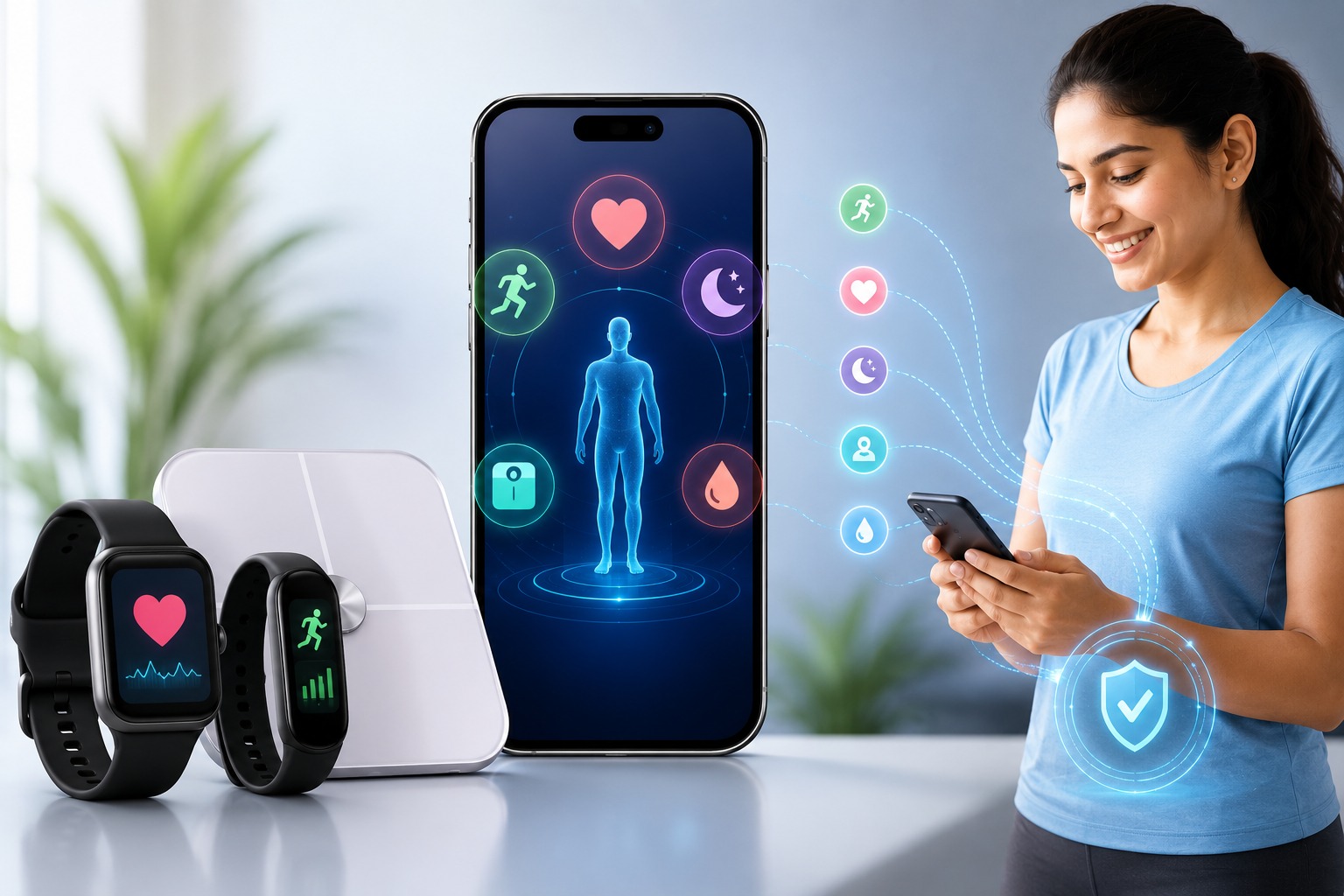
Modern wearable devices and connected health applications generate valuable biometric information such as:
- Daily activity
- Step count
- Heart rate
- Sleep quality
- Weight trends
- Blood pressure (supported devices)
- Blood glucose (compatible integrations)
- Stress indicators
- Recovery metrics
When users willingly share this information, brands gain meaningful insights that enable relevant recommendations rather than generic advertising.
How 37CELLS Enables Privacy-First Personalization
Unlike traditional advertising platforms that depend on third-party tracking, 37CELLS focuses on collecting consent-based first-party and zero-party health data directly from users through connected digital health experiences.
The platform enables healthcare organizations, wellness brands, insurers, employers, and fitness providers to create personalized engagement while maintaining user trust.
Key capabilities include:
Secure Data Collection
Users choose what information they want to share.
This creates transparent relationships between healthcare providers and consumers.
Wearable Device Integration
37CELLS integrates with leading wearable devices and health ecosystems to capture real-time wellness data, creating a richer understanding of each user’s health journey.
Personalized Health Journeys
Instead of delivering identical content to every customer, brands can personalize:
- Wellness challenges
- Health education
- Preventive care reminders
- Lifestyle recommendations
- Nutrition guidance
- Fitness programs
- Medication adherence support
- Engagement campaigns
Benefits of Using First-Party Bio-Data
Healthcare organizations gain several strategic advantages.
Better Customer Trust
Transparency increases confidence.
Consumers are more willing to engage when they understand:
- What data is collected
- Why it is needed
- How it improves their experience
- How it is protected
Higher Engagement
Relevant health recommendations encourage users to return more frequently.
Examples include:
- Daily wellness goals
- Personalized health tips
- Sleep improvement suggestions
- Fitness achievements
- Preventive screening reminders
More Accurate Insights
Unlike third-party assumptions, biometric data reflects actual user behavior.
Brands can make informed decisions using real health trends instead of inferred interests.
Improved Marketing Performance
Better customer understanding leads to:
- Higher engagement
- Improved retention
- More relevant campaigns
- Better conversion rates
- Stronger customer loyalty
Practical Healthcare Personalization Examples
Healthcare organizations can use first-party bio-data in numerous ways.
Health Insurance
Insurers can reward healthy behaviors through wellness programs and personalized incentives.
Corporate Wellness
Employers can deliver customized wellness initiatives based on employee participation and health goals.
Fitness Brands
Fitness companies can recommend individualized workout plans based on user activity and recovery trends.
Chronic Disease Management
Healthcare providers can support ongoing care with timely reminders, educational resources, and progress tracking tailored to patient needs.
Digital Therapeutics
Apps can adapt treatment journeys based on real-time user engagement and health metrics.
Best Practices for Responsible Bio-Data Collection
To maximize both trust and personalization, organizations should follow these principles:
- Always obtain explicit user consent.
- Clearly explain how data will be used.
- Allow users to manage or withdraw permissions.
- Protect health information with strong security practices.
- Collect only data that provides meaningful value.
- Prioritize transparency throughout the customer journey.
- Comply with applicable healthcare and privacy regulations.
These practices help create lasting relationships built on confidence rather than surveillance.
The Future of Healthcare Marketing Is Trust-Based
As third-party cookies disappear, healthcare organizations have an opportunity to build stronger relationships through ethical data collection.
Instead of relying on anonymous tracking, brands can engage users with personalized experiences powered by voluntarily shared health information. This approach not only aligns with evolving privacy expectations but also enables more meaningful, relevant, and effective communication.
Platforms like 37CELLS are helping healthcare organizations embrace this privacy-first future by transforming consent-based biometric data into actionable insights that enhance engagement, support healthier lifestyles, and deliver truly personalized digital health experiences.
Conclusion
The era of third-party data is rapidly coming to an end, especially in healthcare where trust and privacy are essential. First-party and zero-party bio-data offer a sustainable path forward, enabling organizations to understand users through direct, consent-driven interactions rather than intrusive tracking.
By leveraging secure health platforms such as 37CELLS, brands can create personalized wellness journeys, improve customer engagement, and build long-term loyalty—all while respecting user privacy. In the future of digital healthcare, personalization will be defined not by how much data is collected, but by how responsibly it is used.
Frequently Asked Questions
First-party bio-data is health and wellness information collected directly from users through apps, wearable devices, or digital health platforms with their consent.
Zero-party data is information users intentionally provide, such as health goals or preferences, while first-party data is collected through their interactions with your platform.
Privacy regulations, browser updates, and increasing consumer demand for data protection are reducing the use of third-party cookies.
37CELLS helps organizations collect consent-based biometric data from connected health devices and uses those insights to deliver personalized health experiences and engagement.
Consent builds trust, ensures compliance with privacy regulations, and gives users control over how their personal health information is used.