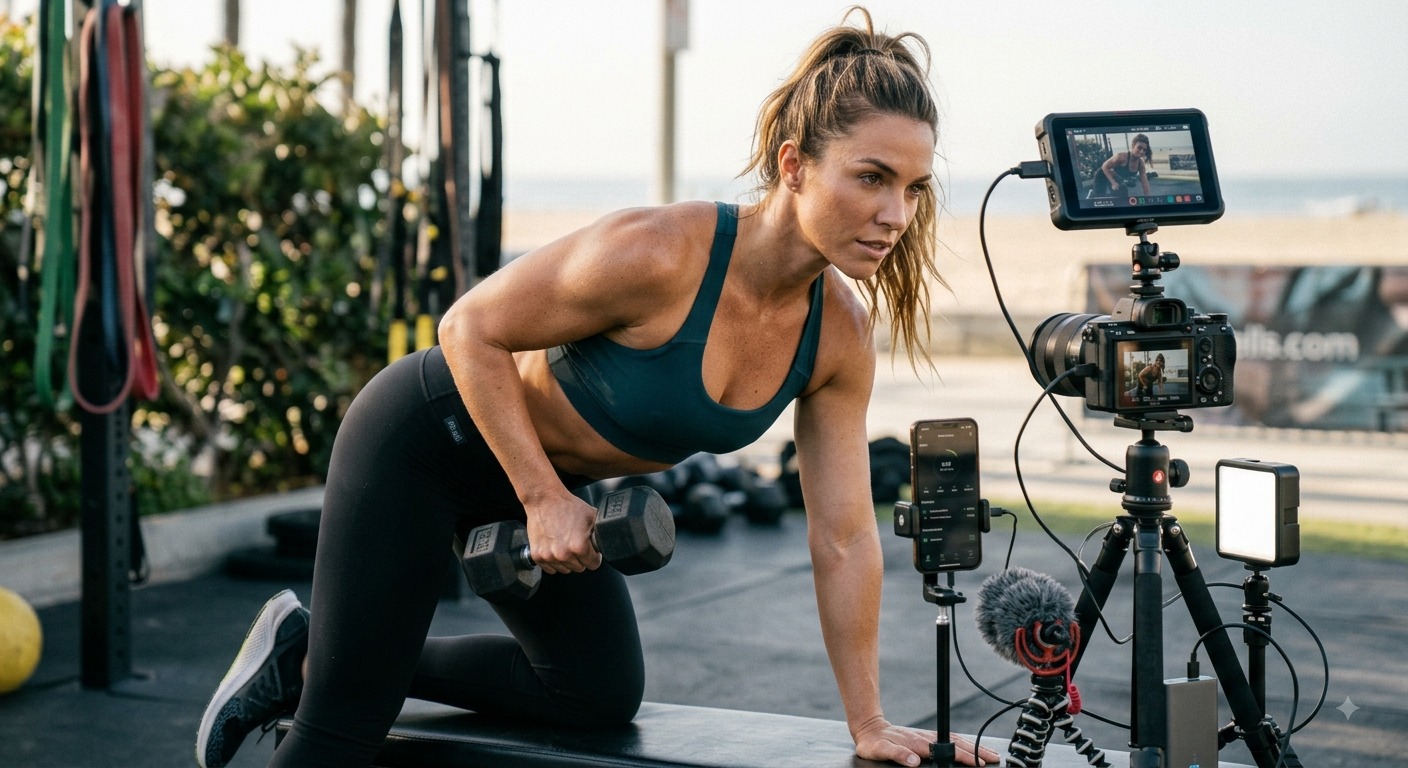
Fitness influencers have transformed how people discover workouts, nutrition products, activewear, supplements, and wellness routines. A recommendation from a trusted creator can be more relatable than a traditional advertisement.
However, the influencer economy is becoming increasingly crowded. Audiences are exposed to endless affiliate links, promotional posts, discount codes, product hauls, and sponsored recommendations. Social feeds can start to feel more like shopping catalogs than communities.
This creates an important opportunity for fitness creators: stop selling only products and start delivering experiences.
Instead of giving followers another discount code for gym wear or supplements, creators can build a custom fitness app that provides workouts, progress tracking, personalized recommendations, challenges, community features, and ongoing engagement.
This shift can transform an influencer from a promotional channel into the center of an owned digital fitness ecosystem.
Why Generic Discount Codes Are Losing Their Impact
Discount codes can still generate conversions, but they provide limited long-term value.
A follower sees a post, clicks an affiliate link, purchases a product, and the interaction is usually over. The creator may earn a commission, but there is little opportunity to build a continuing relationship with that customer.
The bigger challenge is influencer fatigue.
Consumers are increasingly surrounded by sponsored recommendations and product promotions. Research into influencer marketing also highlights the importance of authenticity, engagement, and transparency in maintaining consumer trust.
For fitness creators, this means the strongest opportunity may not be another sponsored post. It may be creating something that followers actually use every day.
From Affiliate Links to an Owned Product Ecosystem
A custom app changes the relationship between the creator and their audience.
Consider the difference:
Traditional model:
Social post → Affiliate link → Product purchase → Interaction ends
App-based model:
Social content → Custom app → Workout → Progress tracking → Community → Personalized recommendations → Repeat engagement → Product discovery
The second model creates multiple opportunities to provide value without constantly asking followers to buy something.
An app can become the creator’s digital home, where followers return for practical fitness support rather than promotional content.
What Can a Custom Fitness App Offer?
A fitness influencer doesn’t necessarily need to create a complicated technology platform from scratch. A well-designed custom app can combine the creator’s expertise, content, community, and fitness data into one experience.
Key features could include:
1. Personalized Workout Programs
Instead of sharing the same workout video with everyone, creators can provide programs based on different goals and fitness levels.
For example:
- Beginner strength training
- Weight-management workouts
- Home workouts
- Gym-based programs
- Mobility and stretching
- Running plans
- Strength-building programs
- 30-day fitness challenges
Personalization makes the experience more relevant than a generic social media post.
2. Progress Tracking
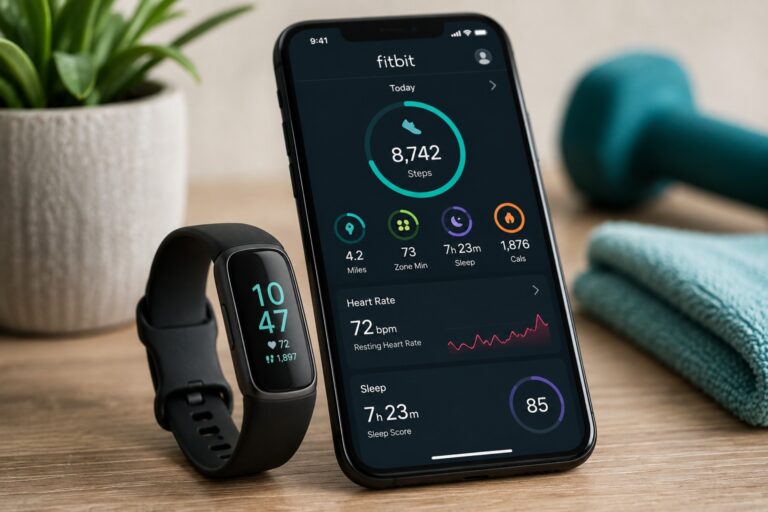
Users can track metrics such as workouts completed, activity levels, training frequency, distance, calories burned, or other relevant fitness indicators.
37CELLS focuses on bringing health and fitness information together and helping users understand their performance over time. Its platform also supports wearable-data integration, including transitions between devices such as Apple, Garmin, and Fitbit.
For influencers, similar functionality can turn an app into a daily destination rather than a one-time promotional channel.
3. Fitness Challenges
Challenges create a natural reason to return to the app.
Creators could launch:
- 7-day movement challenges
- 30-day strength challenges
- 10,000-step challenges
- Mobility challenges
- Running challenges
- Consistency challenges
Leaderboards, milestones, badges, reminders, and community participation can make these experiences more interactive.
4. Community Features
Fitness journeys can feel easier when people have a community around them.
A custom app could allow users to share achievements, participate in challenges, compare progress, or interact with other members.
This moves the creator relationship from “watch me” to “train with me.”
Turning Daily Engagement Into Real Business Value
The most important advantage of an app is frequency.
A social media follower might see an influencer’s Reel for a few seconds. An app user may open the platform every day to complete a workout, check progress, participate in a challenge, or review their fitness information.
That creates significantly more opportunities for meaningful interactions.
37CELLS describes its approach as enabling daily interactions and personalized experiences that can strengthen connections between brands and customers.
For creators, this could translate into a business model built around retention rather than reach alone.
Fitness Data Can Make Recommendations More Relevant
One of the biggest opportunities for fitness apps is personalization.
Rather than recommending products randomly, an app can potentially use relevant user preferences and activity information to make experiences more contextual.
For example, a user completing frequent running workouts could receive relevant information about running equipment. Someone focused on strength training could discover appropriate training resources or products.
37CELLS already positions fitness and health data as a way to help retailers and fitness businesses create more personalized customer experiences. Its platform includes features such as health-age assessment, fitness selfies, activity information, and personalized messaging.
The key principle is simple:
The recommendation should follow the user’s needs—not interrupt them.
Fitness Selfies and Social Sharing Can Extend Reach
Another interesting feature is shareable fitness content.
37CELLS highlights “Fitness Selfies,” which can combine activity information such as calories burned or distance travelled with an image designed for social sharing.
For influencers, features like this can create a useful loop:
User completes workout → Creates progress content → Shares it socially → Friends discover the app → New users join.
Instead of the creator producing every piece of marketing content, the community can organically contribute to visibility.
The Numbers That Matter Beyond Follower Count
An app also gives creators a different set of performance metrics.
Instead of focusing only on followers, likes, and views, creators can monitor metrics such as:
- App downloads
- Active users
- Daily/weekly active users
- Workout completion rates
- Challenge participation
- User retention
- Program completion
- Community engagement
- Product interactions
- Conversion rates
- Subscription or affiliate revenue
This provides a more complete understanding of whether an audience is actually engaging with the creator’s fitness ecosystem.
How Fitness Influencers Can Monetize a Custom App
A custom app does not have to depend on a single revenue stream.
Potential models include:
Premium Fitness Programs
Offer advanced workout plans, specialized programs, or structured challenges as paid content.
Subscription Memberships
Create recurring memberships that provide access to exclusive workouts, communities, coaching resources, or personalized experiences.
Affiliate Commerce
Products can still be recommended—but now they can be presented within a relevant fitness journey instead of simply through discount codes.
Brand Partnerships
Fitness brands can sponsor challenges, programs, or relevant app experiences.
In-App Shopping
An integrated shopping experience can connect users with products when they are actively looking for them.
37CELLS offers white-label models that include subscription, affiliate, and partnership approaches, demonstrating how health and fitness technology can support multiple commercial models.
Why This Model Is More Sustainable
The creator economy is ultimately built on attention, but attention can be unpredictable.
Algorithms change. Social platforms change. Reach fluctuates.
An owned app gives creators another channel for maintaining relationships with their audience.
It doesn’t mean abandoning Instagram, YouTube, TikTok, or other platforms. Instead, social media can become the discovery channel, while the app becomes the engagement and retention channel.
The strategy becomes:
Social media for reach → App for relationships → Personalized experiences for retention → Commerce for monetization
This creates a much stronger ecosystem than relying exclusively on affiliate links.
How 37CELLS Can Support the Shift
For fitness and health influencers, the technology behind the experience is just as important as the content.
37CELLS positions itself at the intersection of health, fitness technology, personalization, and retail marketing. The platform is designed to help fitness communities engage with personalized experiences while supporting health and fitness retailers, marketers, and influencers.
Its capabilities include fitness data integration, health-age calculations, personalized messaging, fitness selfies, community experiences, and shopping-related functionality.
This type of platform can help creators move from simply recommending products to building a more connected fitness experience around their audience
The Future of Fitness Influencer Marketing Is About Value
Discount codes aren’t disappearing overnight. They can remain useful as part of an influencer’s monetization strategy.
But they should not be the entire strategy.
The next generation of fitness creators can differentiate themselves by giving followers something they cannot get from a sponsored Instagram post: a personalized, interactive and ongoing fitness experience.
A custom app can bring workouts, progress, challenges, community, data, recommendations, and commerce into one ecosystem.
Frequently Asked Questions
A custom app can give influencers an owned platform for workouts, challenges, progress tracking, community engagement, personalization, and monetization instead of relying entirely on social media and affiliate links.
Yes. Relevant products can be incorporated into the user experience, allowing creators to generate affiliate revenue while making recommendations more contextual.
Depending on the strategy, an app can include workout programs, progress tracking, fitness challenges, community features, wearable-data integration, personalized recommendations, fitness content, and shopping functionality.
Unlike a social media post that may be viewed once, an app can encourage daily interaction through workouts, challenges, progress tracking, notifications, and personalized experiences.
37CELLS offers a health and fitness marketing platform designed to support personalized customer experiences, fitness communities, data-driven engagement, and multiple commercial models.