For content creators, followers are often considered the most valuable asset. A large social following can create opportunities for sponsorships, affiliate sales, memberships, product launches, and other revenue streams.
But there is one major problem: creators do not own their social audiences.
Platforms control the algorithms, distribution, analytics, advertising systems, and increasingly the way content reaches followers. An algorithm update can reduce organic reach overnight. A change in platform policies can affect monetization. Even a highly engaged community can become difficult to reach without paid promotion.
This is why creators are increasingly looking beyond follower counts and toward first-party audience data.
By moving social followers into an owned digital experience, such as a branded app, creators can build deeper relationships while gaining valuable insights into audience preferences, behaviors, interests, and goals.
Why Followers Alone Are Not Enough
Having 500,000 followers sounds impressive, but the number does not necessarily tell a creator what those people actually want.
A follower count does not reveal:
- Which products followers are interested in
- What goals they are trying to achieve
- Which content topics they prefer
- How frequently they engage
- Which challenges they face
- What features they would use in a product
- What motivates them to make a purchase
Social platforms provide analytics, but creators are still operating within someone else’s ecosystem.
The more sustainable approach is to gradually convert a rented audience into an owned audience relationship.
What Is First-Party Data?
First-party data is information collected directly from an audience through a brand or creator’s own channels, with appropriate transparency, consent, and privacy controls.
For creators, this could include information such as:
- Content preferences
- Fitness or lifestyle goals
- App activity
- Challenge participation
- Product interests
- Preferred communication
- Purchase interactions
- Engagement patterns
The key advantage is context.
Instead of simply knowing that someone watched a video, a creator may understand why that person engaged and what they are trying to accomplish.
Of course, creators should only collect information that is appropriate and necessary, clearly communicate how it is used, and follow applicable privacy and data-protection requirements.
Turning Social Followers Into App Users
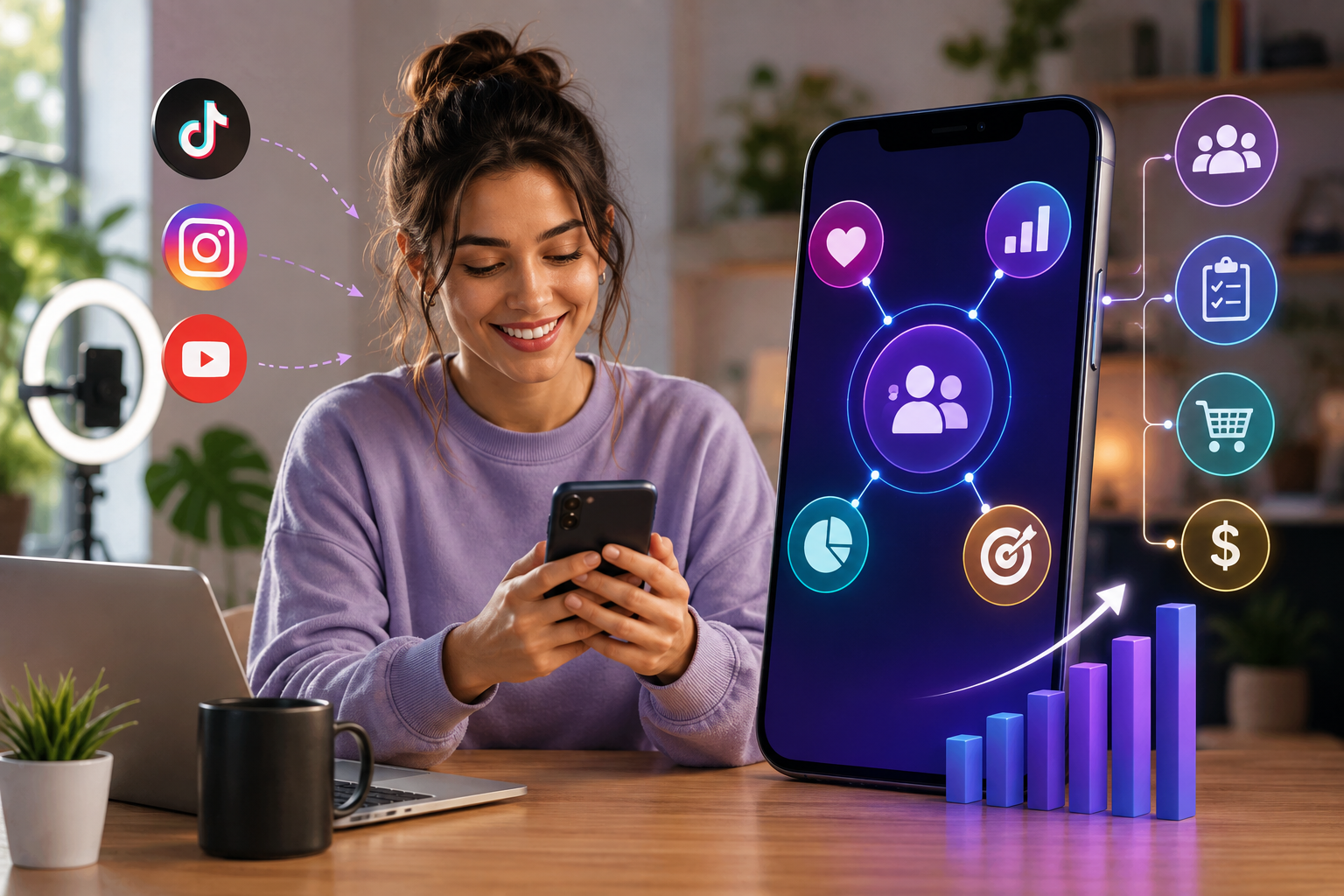
A branded app can act as the bridge between social media and an owned audience relationship.
The journey might look like:
Social Content → App Download → Onboarding → Engagement → Audience Insights → Personalization → Product Launch
For example, a fitness creator could promote a free challenge on Instagram, YouTube, or TikTok.
Instead of directing followers to another social post, the creator can invite them into a branded app where they can:
- Join the challenge
- Set personal goals
- Track progress
- Access exclusive content
- Participate in community activities
- Receive personalized experiences
- Explore relevant products
The creator now has an ongoing engagement environment rather than relying entirely on social media reach.
Build Value Before Asking for Data
One of the biggest mistakes creators can make is treating an app simply as a data-collection mechanism.
People are more willing to engage when they receive something useful in return.
An app could provide:
Exclusive Content: Videos, guides, tutorials, or educational resources.
Challenges: Structured challenges that encourage users to return regularly.
Progress Tracking: Tools that help users monitor their goals and activities.
Rewards: Points, badges, loyalty benefits, or access to exclusive experiences.
Personalization: Content and recommendations based on legitimate user preferences.
This creates a value exchange:
The audience receives a better experience → The creator develops deeper audience understanding.
From Engagement Data to Actionable Insights
The real value of first-party data is not simply collecting information. It is turning engagement signals into actionable insights.
Imagine a creator has 100,000 app users.
Analytics might show that:
- 45% are interested in weight management
- 30% prioritize strength and fitness
- 15% are interested in nutrition
- 10% primarily engage with wellness content
The creator can use these insights to inform future content, partnerships, community initiatives, and product development.
Instead of asking, “What should I launch next?”, the creator can ask:
“What are my audience members already telling me they need?”
This can significantly reduce guesswork.
Using Audience Insights to Improve Product Launches
First-party insights can become particularly valuable before launching a new product.
Suppose a wellness creator is considering launching a fitness program.
Rather than immediately investing heavily in production, the creator could use their app to understand audience demand.
They might test:
- Different program concepts
- Pricing preferences
- Content formats
- Workout durations
- Product features
- Preferred goals
- Launch interest
Polls, surveys, app interactions, waitlists, and engagement behavior can all provide useful signals when used appropriately.
The result is a more audience-informed product development process.
Personalization Can Increase Engagement
Not every follower has the same interests.
A creator focused on fitness might have beginners, experienced athletes, people interested in nutrition, and users focused primarily on general wellness.
A branded app can create different experiences based on voluntarily provided preferences and engagement behavior.
For example:
Beginner: Beginner-friendly workouts and educational resources.
Intermediate: Progressive training plans and challenges.
Advanced: Performance-focused content and advanced challenges.
This can make the experience more relevant while helping creators understand how different audience segments engage.
Why Creators Should Reduce Platform Dependency
Social media should remain an important acquisition channel—but it should not necessarily be the entire business infrastructure.
Creators can use social platforms for:
Discovery: Introduce people to their brand.
Engagement: Build awareness and community.
Conversion: Encourage audiences to join an owned experience.
The goal is not to abandon social media.
It is to make social media the top of the funnel rather than the entire funnel.
If an algorithm changes, the creator still has an established audience relationship through their own digital ecosystem.
How 37CELLS Can Support Creator-Led Engagement
A platform such as 37CELLS can help brands and creators build engagement experiences around health, fitness, lifestyle, loyalty, personalization, and customer insights.
Features such as fitness experiences, health and fitness tools, personalized messaging, analytics, and loyalty capabilities can help transform an app from a static destination into an ongoing engagement channel.
For creators, this opens the possibility of combining their existing social influence with an owned digital experience where audiences can interact more deeply with their content and brand.
The objective is not simply to collect more data.
It is to understand audiences better and create more meaningful experiences for them.
Privacy and Trust Must Come First
First-party data comes with responsibility.
Creators and businesses should clearly explain what information they collect, why they collect it, and how it will be used.
Important considerations include:
- Transparent privacy notices
- Appropriate consent mechanisms
- Data minimization
- Secure data storage
- User controls
- Responsible personalization
- Compliance with applicable privacy regulations
Trust is particularly important for creators because their relationship with followers is often personal.
A creator who uses audience data responsibly can strengthen that relationship. One who uses it carelessly can damage years of community-building.
The Future: From Followers to Owned Communities
The creator economy is moving beyond the traditional question of “How many followers do you have?”
The more important questions may become:
How many people actively engage with your owned ecosystem?
What do you understand about your audience?
Can you deliver personalized value?
Can you launch products based on genuine audience needs?
Social media remains powerful for discovery, but creators who build their own engagement channels can become less dependent on unpredictable algorithms.
A branded app can provide the foundation for that transition.
By combining social reach with first-party audience insights, creators can move from simply accumulating followers to building long-term, data-informed communities and revenue opportunities.
Conclusion
Followers provide reach, but first-party data can provide understanding.
For content creators, building an owned digital experience through a branded app creates an opportunity to turn social attention into deeper engagement. With the right strategy, creators can understand audience preferences, identify behavioral trends, test product ideas, personalize experiences, and make more informed decisions about future launches.
The goal is not to replace social media.
It is to build something that exists beyond the algorithm.
When creators transform followers into engaged members of an owned ecosystem, they gain an asset that can support stronger relationships, better products, and more sustainable long-term growth.
Frequently Asked Questions
First-party data is information creators collect directly from their audiences through their own channels, such as a website, branded app, surveys, or customer interactions, with appropriate privacy and consent practices.
A branded app can provide an owned engagement channel where creators can deliver exclusive content, challenges, personalized experiences, loyalty features, and other value while developing deeper audience relationships.
Yes. Properly collected audience insights can help creators understand preferences, goals, engagement patterns, and demand, which can inform product development and launch strategies.
No. Social media remains valuable for discovery and audience acquisition. First-party channels complement social platforms by giving creators a more direct and durable relationship with their audience.
37CELLS provides health, fitness, engagement, personalization, analytics, and loyalty capabilities that can help create richer digital experiences and support data-informed audience engagement.