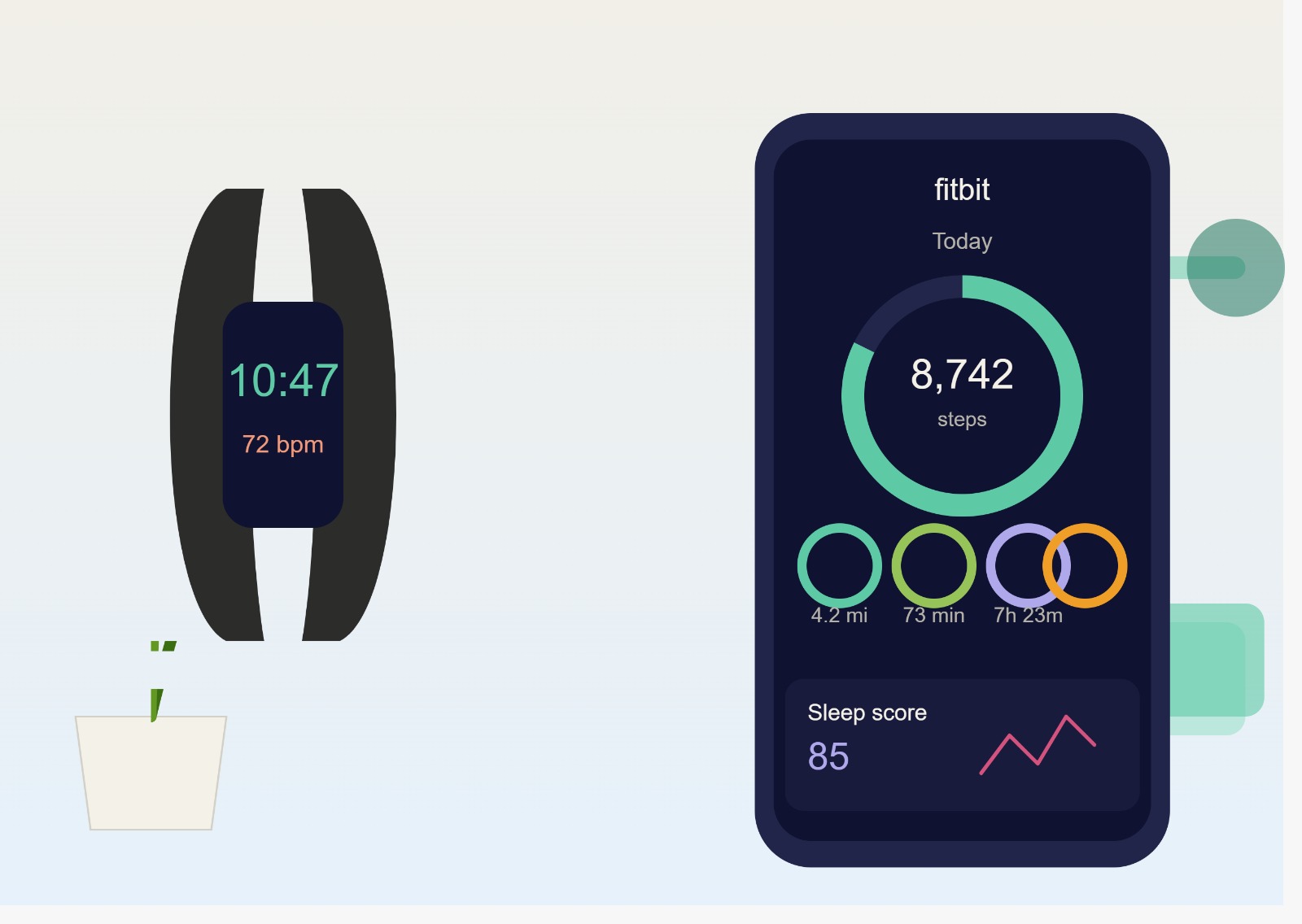
In modern health and fitness marketing, timing can be just as important as the offer itself.
A customer may be interested in recovery supplements, sleep products, wellness programs, or fitness services—but their willingness to act can change significantly depending on how they are feeling at that moment.
This creates an opportunity for brands to move beyond traditional email blasts and scheduled promotions.
Instead of sending the same supplement recommendation to every customer on Monday morning, brands can use behavioral and biometric signals to understand when a customer may be more receptive to a particular message.
For example, a customer who records a low recovery score may be more interested in recovery-focused content than a high-intensity training promotion. Similarly, a customer showing consistently strong sleep and recovery patterns may respond better to performance-oriented recommendations.
This is where behavioral trigger marketing becomes powerful.
Platforms such as 37CELLS are designed around the idea of connecting health and fitness brands with customers through personalized experiences and data-driven engagement.
What Is Behavioral Trigger Marketing?
Behavioral trigger marketing is an automated approach where a customer’s actions, preferences, or real-time data activate a specific marketing message.
Traditional marketing often follows a calendar:
Monday → Promotional Email → Entire Customer Database
Behavioral marketing follows the customer:
Customer Signal → Trigger → Relevant Message → Action
Common triggers can include:
- Product browsing
- Purchase history
- Workout activity
- App engagement
- Inactivity
- Sleep patterns
- Recovery scores
- Fitness milestones
- Changes in customer preferences
The objective is simple: deliver a useful message when it has the greatest contextual relevance.
Research into digital triggers has also highlighted the importance of who receives a message, what the message contains, when it is delivered, and how frequently it appears.
Why Timing Matters in Health and Fitness Marketing
Imagine two customers receiving the same supplement promotion.
Customer A has slept well, has a strong recovery score, and completed a productive workout.
Customer B has had poor sleep and is showing a low recovery score.
Sending both customers the same message ignores an important difference in context.
Customer A might respond to:
“Ready to take your performance to the next level?”
Customer B may be more receptive to:
“Your recovery could use some extra attention. Explore ways to support your evening routine.”
The product category may be similar, but the marketing context is completely different.
Behavior-triggered messaging works because it can respond to what the customer is experiencing rather than relying exclusively on a fixed campaign schedule. Triggered communication is increasingly used across email, push and in-app channels to make customer interactions more timely and relevant.
Turning Sleep Scores into Marketing Triggers
Sleep data can become a valuable signal for context-aware marketing.
For example, a retailer could create different customer segments based on recent sleep-related signals:
Segment 1: Strong Sleep
Customers showing consistently positive sleep patterns could receive:
- Performance-focused recommendations
- Training content
- Fitness challenges
- Premium workout products
- Performance nutrition suggestions
Segment 2: Moderate Sleep
Customers with inconsistent sleep could receive:
- Sleep-routine content
- Recovery education
- Relaxation recommendations
- Evening wellness products
- Lifestyle tips
Segment 3: Low Sleep
Customers showing a recent decline in sleep-related metrics could receive a softer, supportive message.
For example:
“Planning a lighter evening? Explore simple ways to make your recovery routine more comfortable.”
The objective should not be to alarm customers or make medical claims. Instead, the goal is to provide relevant recommendations based on the customer’s engagement and wellness context.
Using Recovery Scores to Create Smarter Segments
Recovery scores can provide another useful marketing signal.
Consider a simple automated framework:
Customer Signal | Possible Segment | Marketing Approach |
|---|---|---|
High recovery | Performance-ready | Training & performance products |
Moderate recovery | Balanced | General wellness recommendations |
Low recovery | Recovery-focused | Recovery & relaxation content |
Repeated low scores | Support-focused | Educational content and lifestyle guidance |
Improving recovery | Progress-focused | Encouragement and relevant product recommendations |
The key is that the campaign does not have to treat every customer equally.
Instead, the customer’s current context determines the next communication.
Example: From Low Recovery Score to a Personalized Campaign
Consider a customer who uses a fitness wearable connected to a health and fitness platform.
The customer records a lower-than-usual recovery score.
An automated campaign could work like this:
Step 1: Data Signal
Recovery score falls below the customer’s predefined threshold.
Step 2: Audience Qualification
The customer is checked against campaign rules such as consent, recent purchases, previous recommendations, and communication frequency.
Step 3: Trigger
The customer enters a recovery-focused segment.
Step 4: Personalized Message
The platform sends an email or push notification focused on recovery rather than performance.
Step 5: Product Recommendation
Relevant products or services can be presented based on the customer’s interests and purchase history.
Step 6: Exit Condition
If the customer purchases, dismisses the recommendation, or moves back into a different segment, the campaign stops or changes.
This type of workflow turns a static customer database into a dynamic marketing audience.
Email vs Push: Choosing the Right Channel
The trigger is only one part of the strategy. The delivery channel also matters.
Email Marketing
Email is useful when the message requires more context.
A recovery-focused email could include:
- Personalized introduction
- Recovery education
- Recommended routine
- Relevant products
- Customer-specific offers
- One clear call to action
Push Notifications
Push notifications are better suited to short, timely interactions.
For example:
“Recovery day? Explore a simple evening routine to help you wind down.”
However, marketers should avoid excessive notifications. Digital-trigger research has identified alert fatigue and habituation as important considerations when designing repeated interventions.
The goal is not to send more messages.
The goal is to send better-timed messages.
From Personalization to Contextual Commerce
Personalization traditionally means adding a customer’s name or recommending products based on previous purchases.
Behavioral trigger marketing goes further.
It asks:
“What is relevant to this customer right now?”
A customer’s previous purchase may tell a brand what they bought.
Their current behavioral or wellness signals can potentially provide additional context about what type of content or recommendation may be relevant next.
This creates an opportunity for contextual commerce—where the marketing experience adapts to the customer’s current situation.
For health and fitness retailers, this can create a more meaningful relationship between customer data, content and product discovery.
37CELLS positions its platform around personalized customer engagement and helping brands reach customers when they are ready to make a purchase.
Building a Behavioral Trigger Framework
Brands looking to implement this strategy can start with a simple framework.
- Identify Meaningful Signals
Start with signals that have a clear relationship with customer engagement.
Examples include:
- Sleep score
- Recovery score
- Workout frequency
- Activity level
- Purchase behavior
- Product interest
- App engagement
- Create Actionable Segments
Avoid creating dozens of complicated segments initially.
Start with a few meaningful groups such as:
High → Medium → Low
Then build more sophisticated segmentation as the campaign generates data.
- Match Each Segment With a Goal
Every trigger should have a clear objective.
That could be:
- Product discovery
- Repeat purchase
- Engagement
- Education
- Retention
- Cross-selling
- Customer loyalty
- Build Trigger-Based Content
Create different messages for different customer states.
A low recovery score should not automatically generate the same message as a high recovery score.
- Measure Downstream Results
Don’t judge the campaign only by opens and clicks.
Track:
- Conversion rate
- Revenue per campaign
- Product purchases
- Repeat purchases
- Customer engagement
- Retention
- Unsubscribe rate
Behavior-trigger campaigns are most useful when they can demonstrate that the message influenced a meaningful customer action, rather than simply generating clicks.
The Importance of Privacy and Responsible Personalization
Health, sleep and biometric information can be highly personal.
Brands should therefore build behavioral marketing strategies around consent, transparency, data minimization and responsible messaging.
Marketing should not imply that a score diagnoses a medical condition or guarantee a health outcome.
Instead, brands can use wellness data to make experiences more relevant while giving customers appropriate control over their data and communication preferences.
Responsible personalization can help build trust rather than making customers feel monitored.
How 37CELLS Can Support Smarter Health & Fitness Marketing
The opportunity for health and fitness retailers is to move from generic campaigns toward personalized, data-driven customer engagement.
37CELLS brings health and fitness technology together with retail marketing, with a focus on personalized customer experiences, aggregated data and AI-driven insights.
By connecting customer signals with marketing workflows, brands can work toward a more intelligent customer journey:
Collect → Understand → Segment → Trigger → Recommend → Measure
The result is not simply more marketing automation.
It is marketing that is more closely aligned with the customer’s current context.
Conclusion
The future of health and fitness marketing is not necessarily about sending more emails or push notifications.
It is about sending the right message at the right moment.
Sleep and recovery signals can provide valuable behavioral context that helps brands understand when customers may be more receptive to recovery-focused, performance-focused or wellness-oriented content.
When combined with thoughtful segmentation, automation, relevant recommendations and responsible data practices, behavioral trigger marketing can transform generic campaigns into more personalized customer journeys.
For health and fitness retailers, the opportunity is clear: move from calendar-based marketing to context-aware engagement.
And when technology can help brands understand what customers may need next, every interaction has the potential to become more relevant—and more valuable.
Frequently Asked Questions
Behavioral trigger marketing uses customer actions, preferences or data signals to automatically deliver relevant marketing messages instead of relying only on fixed campaign schedules.
Sleep-related signals can help create customer segments and trigger relevant wellness, recovery, lifestyle or product-focused content, provided the data is used with appropriate consent and privacy controls.
Yes. Brands can create predefined segments based on recovery-related signals and use them to trigger different email, push or in-app experiences.
Behavioral campaigns can be more contextually relevant because they respond to customer actions or states rather than sending identical messages to an entire audience. Effectiveness should be evaluated through downstream metrics such as conversions and retention.
37CELLS provides a marketing platform focused on personalized customer engagement, combining health and fitness technology with retail marketing and data-driven insights.