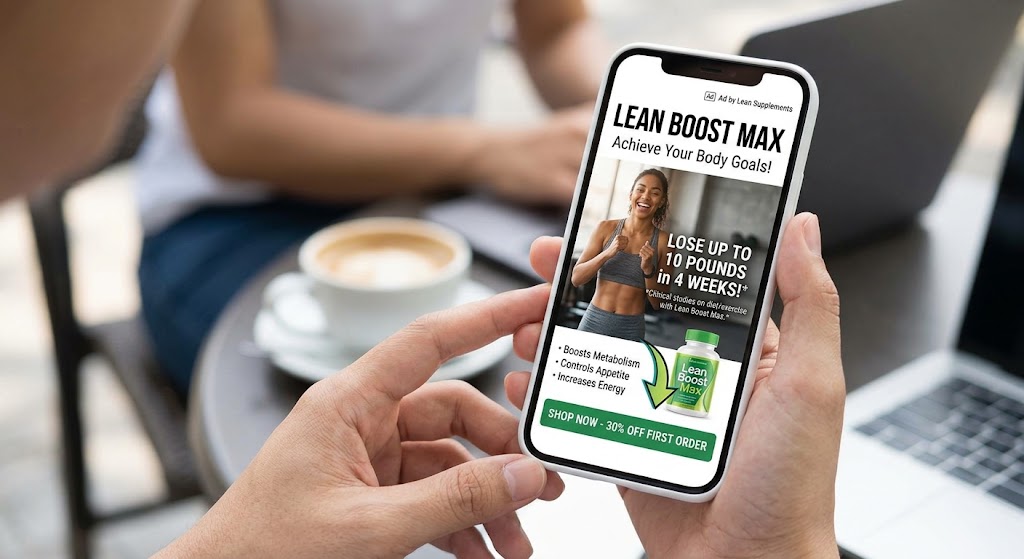
Digital marketing has transformed how pharmaceutical, healthcare, supplement, and wellness brands connect with consumers. However, reaching health audiences is not as straightforward as promoting a typical consumer product.
Platforms such as Google and Meta have policies that restrict certain healthcare-related advertising, targeting, claims, and audience data usage. Google, for example, identifies health information as a sensitive interest category and restricts certain forms of personalized advertising based on sensitive health information. Healthcare and medicine advertising can also be subject to location-specific restrictions and certification requirements.
For brands operating in these categories, the answer is not simply to advertise harder. A more sustainable approach is to create value before making a sales proposition.
This is where wellness and lifestyle engagement apps can become powerful top-of-funnel channels.
Why Traditional Digital Advertising Can Be Challenging for Health Brands
Pharmaceutical and wellness brands often operate under several layers of restrictions.
Depending on the product, market, platform, and campaign, restrictions can apply to:
- Health-related claims
- Prescription drug promotion
- Sensitive health interests
- Personalized audience targeting
- Ad copy and creative
- Landing-page content
- Retargeting strategies
- Collection and use of health-related information
Google states that some healthcare-related content cannot be advertised at all, while other categories can only be promoted under specific conditions and in approved locations.
This creates a significant marketing challenge: How can a brand build an ongoing relationship with consumers when direct product promotion is restricted?
The answer can be a shift from product-first marketing to value-first engagement.
What Is a Value-First Engagement App?
Instead of designing an app primarily as a digital storefront, brands can create a wellness or lifestyle experience that users genuinely want to return to.
For example, an engagement app could offer:
- Fitness and activity tracking
- Health and wellness insights
- Goal setting
- Challenges and rewards
- Educational content
- Lifestyle recommendations
- Community experiences
- Progress tracking
- Health and fitness calculators
- Personalized, non-promotional experiences
The objective is simple: give users a reason to engage with the brand even when they are not ready to purchase something.
This approach aligns closely with the type of engagement model offered by 37CELLS, which combines health and fitness technology with customer engagement, personalized experiences, analytics, loyalty, and marketing capabilities.
Turning an App Into a Top-of-Funnel Marketing Channel
An engagement app can become the first meaningful touchpoint between a brand and its audience.
Consider a simplified customer journey:
Ad or Content → Wellness Experience → App Engagement → Education → Consent-Based Relationship → Relevant Brand Interaction → Purchase
Instead of asking a user to purchase a product immediately, the brand provides something useful.
For example, a fitness-focused brand might attract users through an educational article or general wellness campaign. The user then discovers a free fitness tracking experience or wellness tool.
Once inside the app, the user can interact with features such as fitness tracking, challenges, health-age assessments, or personalized wellness experiences.
37CELLS already supports features such as a Health Age calculator, fitness selfies, smartwatch data integration, and personalized health and fitness messaging.
The important distinction is that the app should provide genuine user value rather than simply disguising an advertisement as an app.
Build Engagement Before the Product Conversation
One of the biggest advantages of an engagement-led strategy is that brands can establish familiarity before asking users to take a commercial action.
For example, a wellness brand could structure its app experience around:
Step 1: Attract
Use broadly acceptable educational, lifestyle, fitness, or wellness content to attract relevant audiences, subject to platform policies.
Step 2: Engage
Give users useful tools, challenges, insights, progress tracking, or community features.
Step 3: Understand
With appropriate notice, consent, and privacy controls, analyze engagement patterns to understand what users value.
Step 4: Educate
Deliver relevant educational content based on the user’s interactions, without making inappropriate medical claims or using prohibited sensitive targeting.
Step 5: Nurture
Where legally and platform-policy permitted, build an ongoing relationship through appropriate communications and brand experiences.
Step 6: Convert
Introduce relevant products, services, or commercial opportunities at the appropriate stage and through compliant channels.
First-Party Data Can Strengthen the Strategy
An engagement app can also help brands develop a stronger first-party relationship with their audience.
Instead of relying entirely on third-party advertising platforms to identify potential customers, brands can build direct, permission-based relationships through their own digital experience.
This can provide insights into:
- Engagement frequency
- Feature preferences
- Content interests
- Fitness activity
- Product interactions
- Purchase behavior
- Customer lifecycle stages
However, health and wellness data can be highly sensitive. Brands should therefore implement appropriate consent mechanisms, privacy policies, data minimization, security controls, and applicable legal requirements.
The objective should not be “collect as much data as possible.”
It should be:
“Collect and use only the information necessary to deliver a valuable experience, with appropriate user permission.”
How 37CELLS Supports Engagement-Led Marketing
37CELLS is positioned at the intersection of health, fitness technology, and retail marketing. Its platform is designed to help brands create personalized customer experiences while building ongoing engagement.
Its capabilities include customer insights, analytics, loyalty, personalized messaging, fitness experiences, and other engagement features.
For brands, this creates an opportunity to move beyond one-way advertising.
Rather than relying entirely on an advertisement to communicate a product message, brands can create a digital environment where consumers interact with useful experiences regularly.
That recurring engagement can become an important part of the broader customer journey.
Compliance Must Be Designed Into the Experience
An engagement app is not a loophole around advertising policies.
This distinction is critical.
If an app contains prohibited claims, inappropriate targeting, restricted products, or non-compliant promotional content, simply placing that content inside an app does not make it compliant.
Brands should review:
- Advertising platform policies
- Local healthcare regulations
- Product-specific requirements
- Data privacy obligations
- Consent mechanisms
- Claims and substantiation
- Audience targeting
- App-store requirements
- Landing-page and destination policies
For example, Google’s current healthcare advertising policies include restrictions around prescription drug terms and healthcare-related promotions, while its personalized advertising policies place additional limitations on health-sensitive targeting.
Therefore, compliance should be considered at every stage—from acquisition and onboarding to personalization and conversion.
The Future of Health Brand Marketing Is Engagement-Led
As digital advertising becomes more restricted and consumers become increasingly conscious of privacy, brands need alternative ways to create meaningful relationships.
A wellness engagement app provides one potential solution.
Instead of asking:
“How can we show this product to more people?”
brands can ask:
“How can we create an experience that people genuinely want to use?”
That change in mindset can transform the role of digital marketing.
An effective engagement app can become a destination for education, interaction, wellness experiences, community, loyalty, and carefully governed brand communication.
For pharmaceutical, health, fitness, supplement, and wellness businesses, this creates a more sustainable path toward audience engagement—one built around value, trust, consent, and responsible personalization.
Conclusion
Advertising restrictions do not mean health and wellness brands have to disappear from the digital customer journey.
They mean brands need to think beyond traditional product advertising.
By creating value-first wellness and lifestyle experiences, brands can develop meaningful top-of-funnel touchpoints, encourage ongoing engagement, understand customer needs through appropriately governed first-party interactions, and build relationships that can support compliant downstream marketing.
With platforms such as 37CELLS, brands can explore engagement-led strategies that bring together wellness experiences, customer insights, personalization, loyalty, and marketing technology.
The winning approach is not finding a way around the rules. It is building a better customer experience within them.
Frequently Asked Questions
Pharmaceutical advertising restrictions are rules imposed by advertising platforms and regulators governing how healthcare products, medicines, claims, audiences, and related services can be promoted.
Yes. A wellness app can provide a value-first engagement channel for education and lifestyle experiences, provided its content, data practices, targeting, and promotional activities comply with applicable laws and platform policies.
No. An app does not automatically make marketing compliant. The app experience, advertising, data collection, targeting, claims, and downstream communications must all be reviewed against applicable requirements.
First-party data is information collected directly from customers through a brand’s own channels, subject to appropriate privacy notices, consent, and applicable data-protection requirements.
37CELLS provides health and fitness engagement and marketing capabilities, including customer insights, personalized experiences, analytics, loyalty features, and fitness-focused tools designed to strengthen brand-customer relationships.