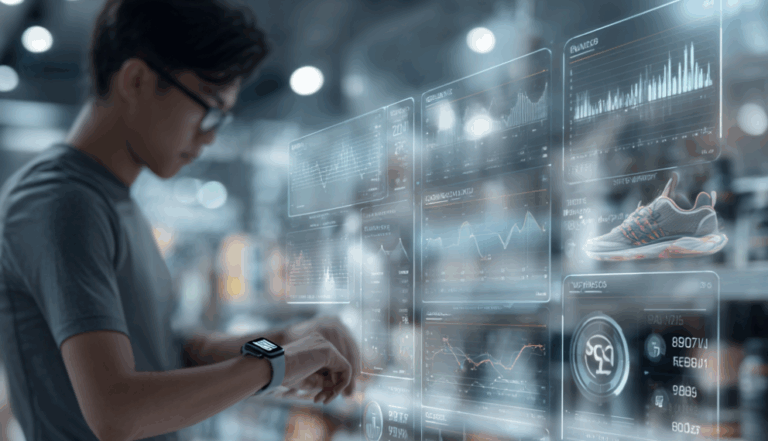

The modern retail landscape is undergoing a significant transformation, with the traditional brick-and-mortar model giving way to a more integrated, omnichannel approach. This shift is driven by the increasing digital literacy of consumers and their expectation for seamless, personalized shopping experiences across all channels. For retailers in the fitness and wellness industry, this evolution presents a unique opportunity to leverage data from wearable devices to enhance customer engagement, foster brand loyalty, and ultimately, drive sales. A pivotal element in this strategy is the concept of “Fitness Selfies” and social proof, which can bridge the gap between digital interactions and physical retail experiences.
The Evolution of Personalization: Beyond Demographics
Traditionally, retail marketing relied heavily on demographic data, segmenting customers based on factors such as age, gender, and location. While this approach provided a baseline for targeting, it often fell short of capturing the nuances of individual consumer behaviour and preferences. Today, the influx of data from smartwatches and fitness trackers is revolutionizing personalization. Retailers can now access real-time behavioural data, including activity levels, workout intensities, and health goals, allowing them to create “physiologically relevant” marketing strategies.
By utilizing a platform like 37CELLS, which aggregates data from various wearables and provides AI-driven insights, fitness brands can move beyond generic offers and tailor their messaging to the specific health journey of each customer. For instance, a retailer could send a personalized promotion for new running shoes when the data indicates that a customer’s current pair has reached a certain usage threshold. Similarly, a customer who frequently engages in high-intensity training could receive targeted ads for recovery supplements. This level of hyper-personalization not only enhances the customer experience but also increases the likelihood of conversion by delivering timely and relevant offers.
The Power of Social Proof and User-Generated Content
In the age of social media, social proof has emerged as a critical driver of purchasing decisions, especially in the health and wellness sector. Consumers are increasingly sceptical of traditional advertising and tend to trust the recommendations of their peers over brand messaging. User-generated content (UGC), such as workout videos, success stories, and “Fitness Selfies,” provides authentic evidence of a product’s effectiveness and creates a sense of reliability.
Fitness apparel and equipment brands can encourage and showcase UGC to celebrate milestones and foster a supportive community. When potential customers see real people using and benefiting from a brand’s products, it humanizes the brand and motivates them to engage. A live, breathing community that continually replenishes its own marketing momentum is invaluable, as recommendations from friends and family often carry more weight than conventional advertisements.
Bridging the Gap with Branded “Fitness Selfies”
The “Fitness Selfie” is more than just a passing social media trend; it is a powerful marketing tool that captures the intersection of personal achievement and brand affiliation. Retailers can leverage this by integrating branded elements into the selfie-sharing process. For example, a sports apparel store could partner with a platform like 37CELLS to offer users custom social media overlays or filters that feature the store’s branding when sharing their workout achievements or performance metrics.
This strategy not only gamifies the fitness experience, encouraging users to push their limits and share their progress but also turns them into organic brand ambassadors. When a user shares a branded “Fitness Selfie,” they are effectively broadcasting their endorsement of the brand to their entire social network. This is particularly impactful when targeting Millennials and Gen Z, who view health and wellness as integral to their identity and are more likely to share their non-scale victories, such as improved mental clarity or reduced stress, on social media.
Creating a Seamless Omnichannel Experience
The ultimate goal of leveraging “Fitness Selfies” and social proof in retail marketing is to create a seamless omnichannel experience that connects digital engagement with in-store visits and purchases. Retailers can achieve this by implementing a structured content journey that guides customers from awareness to advocacy.
- Awareness and Consideration: Content can focus on inspiration and education, showcasing real users achieving their goals with the help of the retailer’s products. Video tutorials and demos are particularly effective at this stage, providing a relatable and engaging way to introduce products and their benefits.
- Decision and Retention: Retailers can integrate their loyalty programs with social sharing, rewarding customers with points or exclusive discounts for tagging the store in their “Fitness Selfies” or using a specific campaign hashtag. For instance, a retailer could offer a discount on their next purchase to users who share a selfie wearing the brand’s apparel and achieving a specific performance milestone. This not only encourages initial engagement but also sustains ongoing activity and strengthens customer loyalty.
- Advocacy: By encouraging and showcasing UGC, retailers can foster a sense of belonging and community among their users, effectively turning them into long-term brand evangelists. This community-driven marketing approach not only reduces device abandonment and customer churn but also provides an ongoing source of authentic content that resonates with potential customers.
Data Privacy and the Path Forward
While the potential for leveraging wearable data in retail marketing is vast, it is crucial for brands to prioritize data privacy and security. Consumers’ trust regarding the security of their sensitive health information is paramount, and retailers must be transparent about their data handling practices. Implementing robust data protection measures and ensuring clear communication around data privacy can build trust and differentiate a brand in an increasingly competitive market.
Looking ahead, the integration of artificial intelligence and advanced biometric data analytics will further refine smart fitness gadgets advertising and personalization. We can expect to see more context-aware marketing opportunities, such as virtual try-ons and real-time product recommendations based on a user’s current activity and location. By positioning themselves as lifelong wellness partners, rather than mere tech providers, fitness brands that embrace these technologies and leverage the power of social proof will lead the next wave of wearable innovation in retail.
In conclusion, “Fitness Selfies” and social proof are powerful catalysts that can bridge the gap between digital and physical experiences in the fitness and wellness retail space. By encouraging users to share their training milestones with branded elements and integrating social rewards into loyalty programs, retailers can turn their most active customers into powerful brand advocates. When combined with a data-driven, personalized marketing strategy and a strong commitment to data privacy, this approach can drive significant engagement, conversion, and long-term customer loyalty in an increasingly omnichannel retail world.